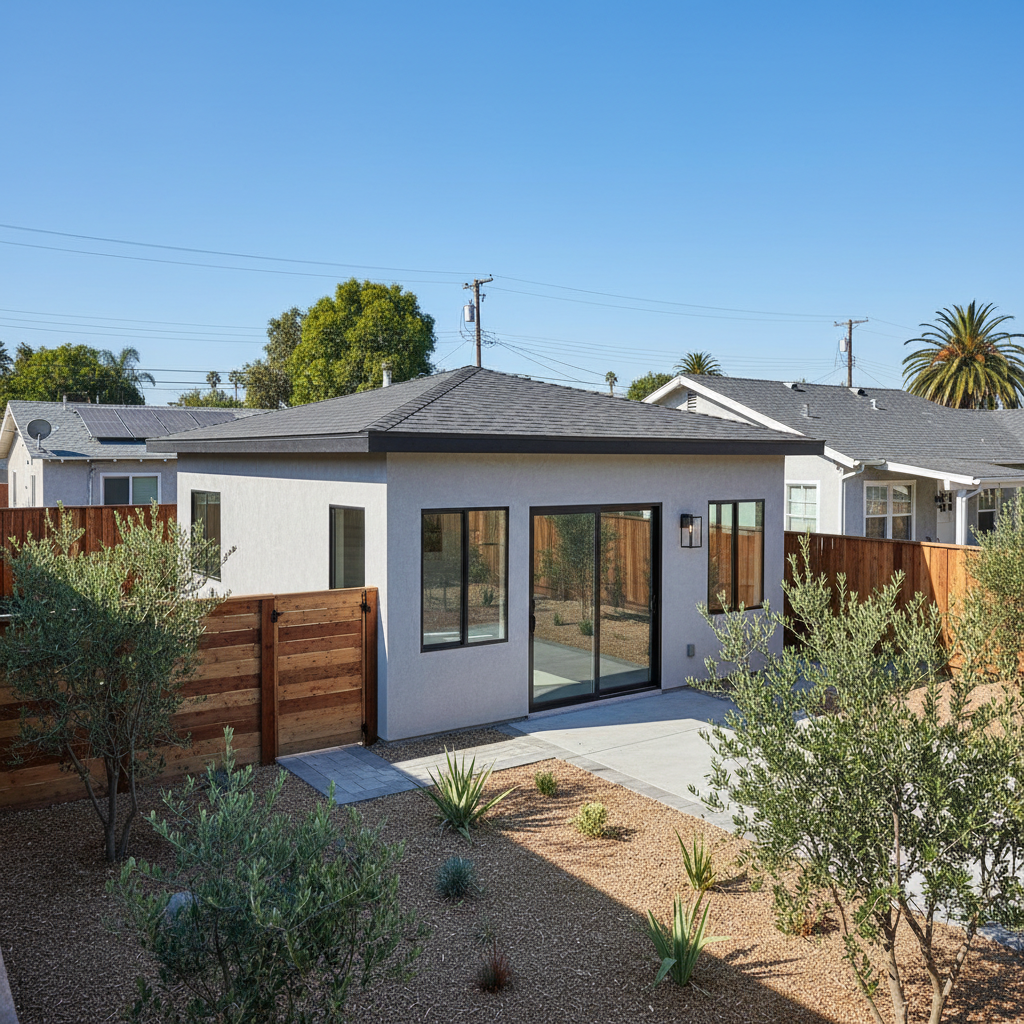
Alright, let's talk numbers. You're probably looking at your garage, maybe it's packed with old boxes, or it's just sitting there empty, and you're thinking, 'ADU.' Smart move, honestly. Turning that garage into a living space can seriously boost your property's value and how useful it is right here in Los Angeles. But what's the real cost going to be?
Forget those national averages you see online. LA is a whole different ballgame, and construction costs definitely show that. I've seen countless projects like these over the years, and I can tell you, the price tag varies a lot. Generally, you're looking at anywhere from $100,000 to $250,000 for a good quality garage conversion ADU in the city. Sometimes it's even more for bigger, trickier builds or if you're going for really high-end finishes. That's a pretty wide range, isn't it? So, let's dig into what makes that price jump around so much.
What Makes the Price Tag Go Up (or Down)?
A few key things really push the cost one way or the other. It's not just about how many square feet you're adding.
- Your Existing Garage's Condition: This is a huge factor. Is it a solid structure with a good foundation, or is it leaning a bit? If we have to do major foundation repairs, re-frame walls, or replace a leaky roof, that's going to add a lot to the cost. Many older garages, especially those built on the expansive clay soils common in places like the San Fernando Valley, might need more foundation work than you'd expect.
- Plumbing and Electrical Needs: You're turning a storage space into a place someone can actually live. That means a bathroom, a kitchen, and proper electrical service. If your main house's plumbing or electrical panel is far from the garage, or if they're old and need big upgrades to handle the new load, expect those costs to climb. Running new sewer lines, especially if it means digging a trench across your yard, isn't cheap.
- HVAC System: You can't just throw a space heater in there, right? You'll need proper heating and cooling. A mini-split system is often the most cost-effective and efficient solution for ADUs, but it's still a few thousand dollars.
- Finishes and Fixtures: This is where you can really spend or save. Basic laminate flooring versus engineered hardwood? IKEA kitchen cabinets versus custom millwork? Standard tile versus imported marble? The choices here can easily add tens of thousands to your budget.
- Permitting and Architectural Plans: Don't skimp here, seriously. Proper plans and permits are non-negotiable in LA. Architectural drawings, structural engineering, energy calculations, and city permit fees all add up. You're usually looking at $10,000 to $25,000 just for this part, depending on how complex the project is and what the city specifically requires.
- Accessibility Requirements: If you're designing for ADA compliance — which is often a smart move for future tenants or family — that can influence bathroom layouts, door widths, and ramp requirements, adding to the build cost.
What's Usually Included in a Quote?
When I give a quote, or when Los Angeles ADU Solutions Inc. provides one, we try to be as clear as possible. A good quote should break down these main categories:
- Plans & Permits: All the design work, engineering, and city fees.
- Demolition & Site Prep: Clearing out the old garage, any necessary grading.
- Foundation Work: Repairs, new footings, slab work.
- Framing & Structural: Any wall modifications, roof framing, new headers for doors/windows.
- Rough-in Plumbing & Electrical: All the pipes and wires before the walls go up.
- HVAC Installation: Your heating and cooling system.
- Insulation & Drywall: Making it comfortable and ready for paint.
- Windows & Doors: New energy-efficient windows and exterior/interior doors.
- Exterior Finishes: Stucco, siding, paint to match your main house.
- Interior Finishes: Flooring, paint, trim, baseboards.
- Kitchen & Bathroom: Cabinets, countertops, appliances, fixtures (toilet, shower, sink).
- Utilities Hookups: Connecting to existing water, sewer, power.
- Project Management & Supervision: Keeping everything on track and up to code.
- Contingency: A good contractor will usually build in a small contingency (5-10%) for unforeseen issues, which is just smart.
Make sure you're comparing apples to apples when you get multiple bids. A lowball quote often means they've left something important out, believe me.
Avoiding the Overpay Trap
Nobody wants to feel ripped off. Here's how you can protect your wallet:
- Get Multiple Bids: Three detailed quotes from reputable, licensed contractors is a good starting point. Don't just go with the cheapest; look for the best value and clearest communication.
- Be Specific with Your Vision: The more detailed you are with your plans and desired finishes upfront, the more accurate the quotes will be. Changes mid-project are almost always expensive.
- Understand the Scope: Read every line of the contract. What's included? What's excluded? Are there allowances for certain items (like fixtures) or are they specified?
- Check References & Licenses: Always, always, always. Call past clients. Check their CSLB license. Make sure they're insured.
- Don't Pay 100% Upfront: Payment schedules should be tied to project milestones. A small deposit is normal, but never pay for work that hasn't been done.
- Consider Value Engineering: Your contractor should be able to suggest alternative materials or approaches that can save you money without sacrificing quality or code compliance. Maybe you don't need the most expensive tile in the bathroom, or a slightly different window brand works just as well.
Converting your garage is a big investment, but it's one that usually pays off handsomely in our market. Do your homework, ask tough questions, and work with a contractor you trust. It'll make all the difference.