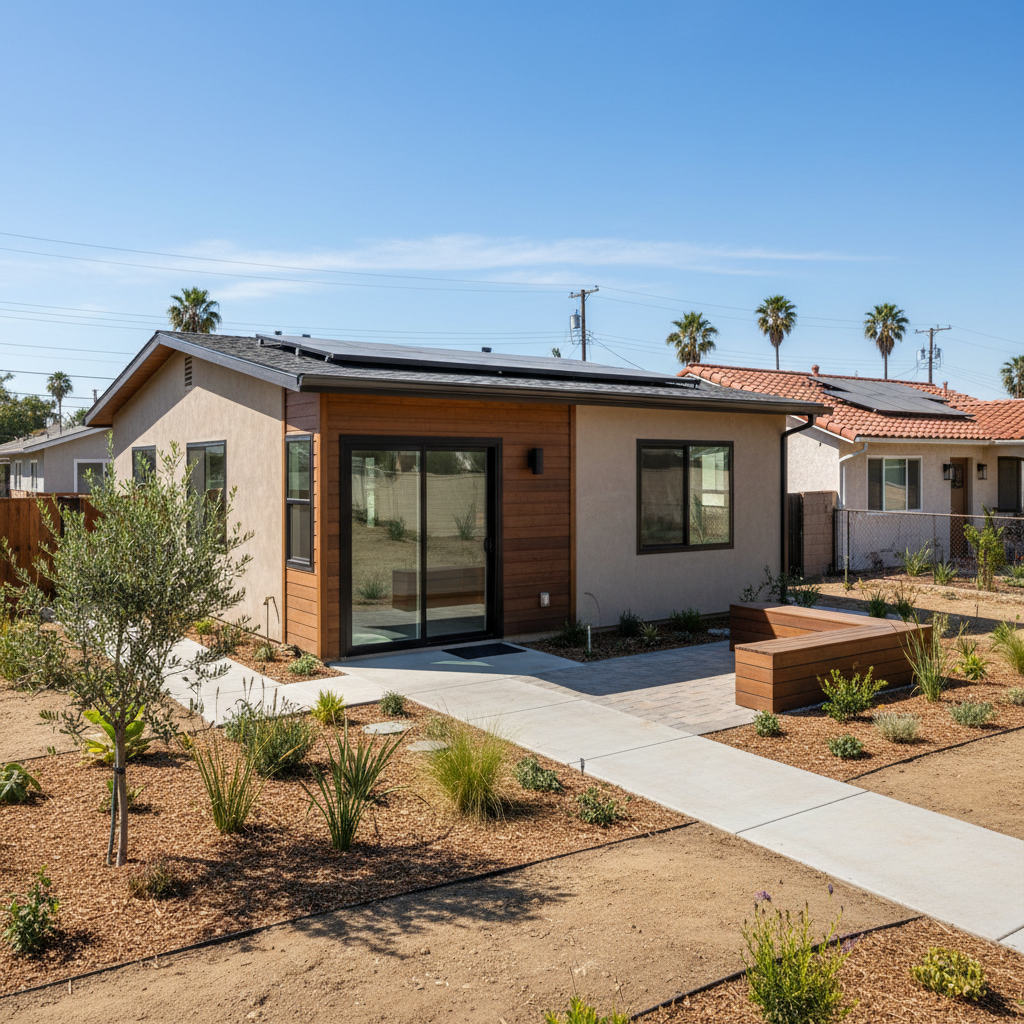
So, you’ve finally got that brand-new ADU up and running, or maybe you just finished converting the old garage into a slick new living space. That’s fantastic! It’s a big investment, no matter if it’s for family, rental income, or just some extra room to breathe. But honestly, building it is only half the battle. If you want that ADU to keep looking good and working perfectly for decades, you really need to treat it right. Think about it like a car; you wouldn't just drive it off the lot and then completely forget about oil changes, would you?
Extending Your ADU's Lifespan: It's All About the Basics
Look, I've seen plenty of ADUs come and go over the years, and the ones that truly stand the test of time are the ones that get a little love. It’s not rocket science, just consistent attention to detail. Here’s what I always tell my clients:
- Keep it Clean: This sounds super obvious, but you’d be surprised how often it’s overlooked. Regular cleaning isn't just about making things look nice; it actually stops buildup that can lead to bigger problems down the road. Dust and grime can clog vents, invite pests, and even wear down surfaces over time.
- Protect from the Elements: Even though we don't get brutal winters here in LA, our intense sun and those occasional heavy rains can really do a number on exterior finishes. A good paint job, properly sealed windows and doors, and clean gutters are your first line of defense.
- Don't Ignore Small Issues: A tiny leak under the sink today? That could be a massive mold problem next year. A loose shingle now? That's a roof leak waiting to happen during the next atmospheric river. Seriously, nip problems in the bud.
- Ventilation is Key: Especially in our often-humid coastal areas, good airflow prevents mold and mildew from taking hold. Make sure bathroom fans are working like they should, and don't block any vents.
What Regular Maintenance Actually Looks Like
Alright, let’s get specific. What should you actually be doing, and how often? This isn’t a full-time job, but it does require a little dedication.
Monthly Checks: Quick Scans
- Visual Inspection: Take a walk around the outside and inside. Look closely at walls, ceilings, floors, and the foundation. Spot any new cracks? Stains? Peeling paint?
- Plumbing Peek: Check under sinks, around toilets, and behind appliances for any signs of leaks or drips. Turn on all the faucets to make sure you have good pressure and proper drainage.
- HVAC Filter: If your ADU has its own HVAC system, take a look at the filter. In dusty LA, especially if you're near busy streets, these can get clogged really fast. Change it if it looks dirty.
Quarterly Checks: A Bit More Detail
- Clean Gutters and Downspouts: Even if we haven't had much rain, leaves and debris can pile up, particularly if you live under a big oak tree in, say, Silver Lake. Clogged gutters mean water overflowing, which can potentially damage fascia boards or even your foundation.
- Test Smoke/CO Detectors: Just push that test button. Replace batteries when they're low.
- Inspect Exterior Caulk and Sealants: Look at your windows, doors, and any spots where things penetrate the exterior walls. If you see cracks or gaps, re-caulk them. This is super important for keeping water out.
- Appliance Maintenance: Clean the refrigerator coils, check washing machine hoses for bulges or cracks, and clean out the dryer vent.
Annual Checks: The Big Ones
- Roof Inspection: You can do this from the ground with binoculars if you're not comfortable on a ladder. Look for missing or damaged shingles, cracks in the flashing around vents or chimneys, and any general signs of wear.
- HVAC Service: Get a professional to service your heating and cooling system. They'll clean it, check refrigerant levels, and make sure everything’s running efficiently. This saves you money and extends the unit's life.
- Pest Control: Even if you don't see anything, a preventative spray or check can stop critters from making your ADU their new home. We’ve got plenty of ants, spiders, and even rodents looking for shelter here in Los Angeles.
- Exterior Paint/Stain: Depending on the material, you might need to repaint or re-stain every 5-10 years. Our LA sun is no joke when it comes to exterior finishes.
Warning Signs You Shouldn't Ignore
Your ADU will usually tell you when something's wrong; you just have to listen. Here are some red flags:
- Water Stains: On ceilings, walls, or floors. This almost always points to a leak somewhere. Don't wait on this.
- Musty Odors: Especially in bathrooms or laundry areas. That's mold or mildew, and you need to deal with it right away.
- Persistent Pests: If you're constantly battling ants or other bugs, there might be entry points or moisture issues attracting them.
- Cracks: Hairline cracks in drywall might just be normal settling, but large, spreading cracks, especially in the foundation or exterior stucco, could signal structural movement.
- Flickering Lights or Tripping Breakers: Electrical issues can be serious business. Don't mess around with these.
- Unusual Sounds: From plumbing (like banging pipes) or HVAC (grinding noises, for instance).
- Slow Drains: This is a classic sign of a clog forming.
When to Call a Professional
Look, I'm all for DIY, but some things are just better left to the pros. If you spot any of those serious warning signs I just mentioned, or if you're simply not comfortable tackling a repair, that's when you pick up the phone. Don't try to fix a major electrical problem or a significant roof leak yourself unless you truly know what you're doing. You could make it worse, or even worse, hurt yourself.
For anything structural, major plumbing, complex electrical work, or significant HVAC issues, get a licensed professional involved. It's an investment in your investment, after all. We at Los Angeles ADU Solutions Inc. always recommend our clients keep a trusted list of plumbers, electricians, and general handymen for these situations. A little preventative maintenance and knowing when to call in the cavalry will keep your ADU humming along beautifully for years to come, providing that extra space or income you built it for.