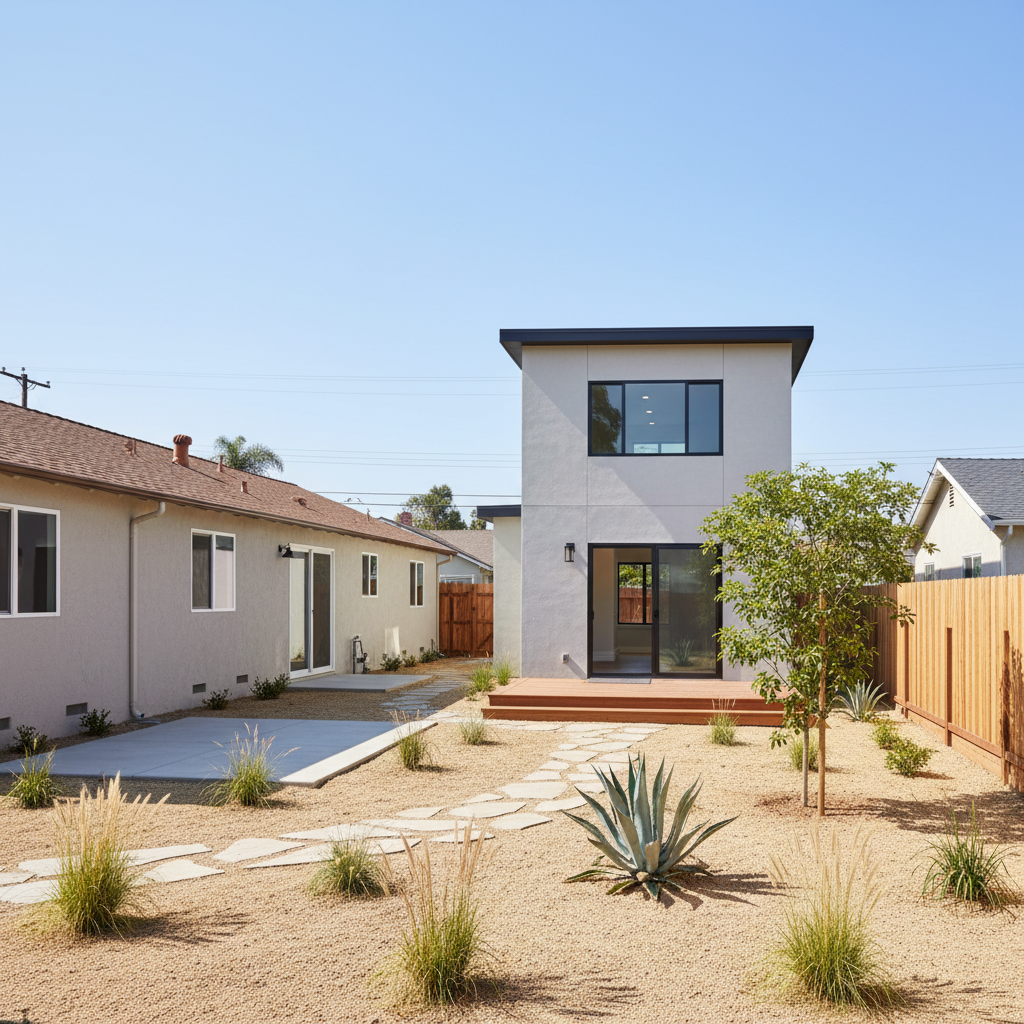
Don't Get Burned: Vetting Your LA ADU Contractor
Alright, so you've decided to build an ADU here in Los Angeles. That's a smart move, whether you're looking for extra income, need space for family, or just want more room. But before any dirt gets moved, you've got a big decision to make: who's actually going to build it? Picking the right contractor is probably the most critical step, and honestly, it's where a lot of folks get tripped up. I've seen it happen too many times, believe me.
You're not just hiring someone to swing a hammer. You're bringing someone into your home, trusting them with a big investment, and relying on their expertise to navigate LA's notoriously tricky permitting process. So, let's talk about how to make sure you're hiring the right team, not just the cheapest bid.
Crucial Questions to Ask Every Potential Contractor
When you're sitting down with a contractor, don't be shy. This is your project, your money. You need to ask direct questions and listen carefully to the answers. Here are some of the big ones I'd hit them with:
- How many ADUs have you built specifically in Los Angeles? This isn't just about general construction experience. LA's building codes, zoning regulations, and even soil conditions (especially in hillside areas like the Hollywood Hills or Pacific Palisades) can be unique. You want someone who knows the local quirks, not just someone who's built a deck in another county.
- Can you provide at least three references from recent ADU projects? And I mean recent, like within the last year or two. Don't just take their word for it; call those people. Ask them about communication, how well they stuck to the timeline, any budget surprises, and if they'd hire them again.
- What's your typical project timeline for an ADU of this scope? Get a realistic timeframe. They should be able to break down the permitting phase, construction, and final inspections. If they promise something ridiculously fast, be wary.
- How do you handle changes to the plan? Things happen. You might change your mind on a fixture, or an unforeseen issue could pop up. A good contractor will have a clear, written process for how changes are documented, approved, and priced.
- Who will be my primary point of contact throughout the project? You don't want to be playing phone tag with three different people. Know who you'll be communicating with directly.
- What kind of warranty do you offer on your work? A reputable contractor stands behind their work. Get the details on what's covered and for how long.
What to Look For in a Quote (Beyond Just the Price)
Getting bids is good, but comparing them is where the real work begins. Don't just pick the lowest number. A dirt-cheap quote often means corners are being cut, and that'll cost you more in the long run.
A good quote should be detailed. I'm talking line items for everything: demolition, foundation, framing, plumbing, electrical, HVAC, roofing, drywall, flooring, cabinets, paint, fixtures, landscaping, and even cleanup. It should also clearly state what's included and, just as importantly, what's excluded. If a quote is just a single number on a napkin, toss it. You need transparency.
Look for allowances. These are estimated amounts for things like light fixtures, appliances, or flooring where you'll make the final selection. Make sure these allowances are realistic for your taste and budget. If they're too low, you'll be hit with upgrades later.
Also, check the payment schedule. A typical schedule involves an initial deposit (usually 10% in California), then progress payments tied to completed milestones (e.g., foundation poured, framing complete, rough-ins passed, etc.), and a final payment upon project completion and final inspection. Be very suspicious of anyone asking for a huge upfront payment or demanding cash only.
Red Flags You CANNOT Ignore
Seriously, if you see any of these, pump the brakes immediately:
- No license or insurance: This is non-negotiable. Ask for their California Contractors State License Board (CSLB) license number and proof of liability insurance and worker's compensation. Verify them online.
- High-pressure sales tactics: