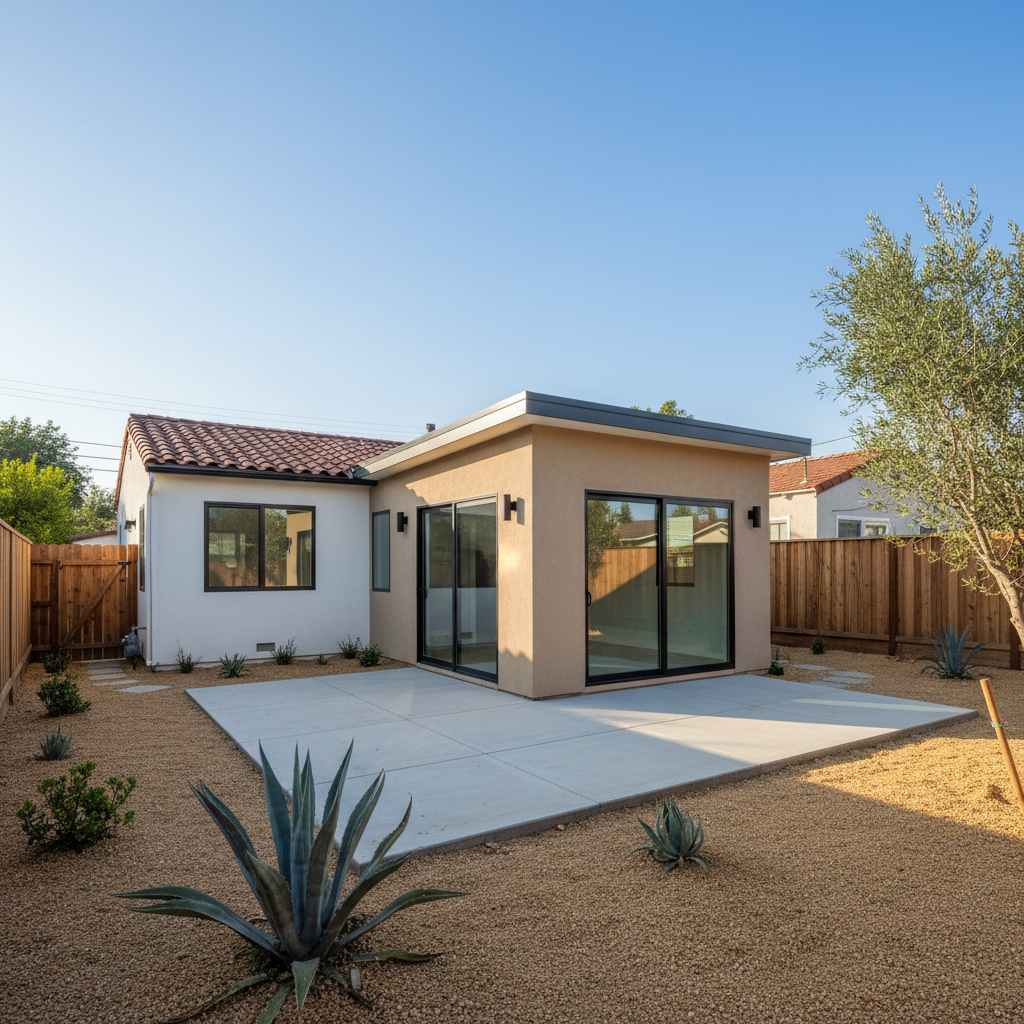
Finding the right ADU contractor here in Los Angeles? That's probably the most important step to getting your project done right. You're not just hiring someone to build a small house, after all. You're trusting them with a big investment and a significant piece of your property. I've seen a lot of ADU projects over the years – some fantastic, some real duds – and I can tell you the difference often comes down to who you actually hire.
Start with the Right Questions
When you're chatting with potential contractors, don't hold back. You're interviewing them, not the other way around. Here are some key questions you absolutely need to ask:
- Are you licensed and insured specifically for general contracting in California? Don't just take their word for it, please. Ask for their California Contractors State License Board (CSLB) number and their insurance certificates (general liability and workers' comp). You can easily look up their license online to confirm it's active and clean.
- How many ADUs have you actually built in Los Angeles? Experience really matters here. Building an ADU isn't the same as, say, remodeling a kitchen. They should know LA's specific zoning codes, the permitting process, and even things like the challenges of hillside construction that we often run into in places like the Hollywood Hills or Silver Lake.
- Can you give me references from recent ADU clients? And I mean *recent*. Call those folks. Ask them about communication, if they stuck to the timeline, any budget surprises, and how happy they were overall.
- Who will be the main point of contact for my project? You don't want to get bounced around, do you? You need one person you can call with questions or concerns.
- How do you handle change orders? This is a big one. Changes happen, but you need a clear, written process for how they're documented, approved, and priced.
- What's your typical project timeline from permit approval to completion? Get a realistic timeframe. If someone promises you an ADU in two months, they're probably just blowing smoke.
- What's included in your warranty, and for how long? A good, reputable contractor will stand behind their work.
Deciphering the Quote: What to Look For
You'll get quotes that vary wildly. Don't just pick the cheapest one; that's a classic mistake. A good quote isn't just a number; it's a detailed breakdown of what you're actually paying for. Here's what I always look for:
- Detailed Scope of Work: It should clearly list everything included, from site prep and foundation to framing, roofing, plumbing, electrical, HVAC, finishes (flooring, cabinets, paint), and even landscaping. If it's vague, well, that's a problem.
- Material Specifications: The quote should spell out the quality and type of materials. For instance, it shouldn't just say 'flooring'; it should specify 'engineered hardwood, specific brand and series' or 'porcelain tile, 12x24, specific manufacturer.'
- Permit Costs: Are permit fees included, or are they separate? Make sure this is crystal clear.
- Allowances: For things like light fixtures or certain finishes, contractors might use 'allowances.' This is an estimated budget. Make sure these allowances are realistic for what you actually want. If the allowance for kitchen cabinets is $3,000, but you're dreaming of custom shaker style, you're going to blow right past that.
- Payment Schedule: A legitimate contractor won't ask for a huge upfront payment. In California, it's generally capped at 10% or $1,000, whichever is less. Payments should be tied to completed milestones, not just arbitrary dates.
- Exclusions: What's *not* included? This is just as important as what is. Sometimes things like utility hookup fees or specific city-mandated upgrades (like a new water meter for a separate ADU address) aren't in the base quote.
Spotting Red Flags
I've certainly seen my share of shady operators. Here are some immediate red flags that should make you just walk away:
- Unlicensed or uninsured: This is non-negotiable. Don't even consider it.
- Demanding large upfront payments: As I mentioned, California law limits this.
- Cash-only deals: This screams 'tax evasion' and 'no paper trail.' Avoid them at all costs.
- High-pressure sales tactics: "Sign today or the price goes up!" A good contractor is confident in their value and won't try to pressure you.
- No written contract or a very vague one: Everything needs to be in writing.
- No local references or a history of complaints: Check their CSLB record for any disciplinary actions.
- They discourage you from pulling permits: This is illegal and dangerous. Your ADU won't be up to code, won't be insurable, and you'll have a nightmare on your hands later.
Verifying Legitimacy
Don't just trust a handshake. Do your homework:
- Check their CSLB License: Head over to cslb.ca.gov. Punch in their license number. Verify it's active, in good standing, and that the name matches the company. Also, check for any disciplinary actions or complaints.
- Verify Insurance: Ask for certificates of insurance directly from their insurance provider, not just a copy from the contractor. Call the insurance company to confirm coverage is active for general liability and workers' compensation. This protects you if someone gets hurt on your property or if there's damage, which is a big deal.
- Google their company name: Look for reviews on Yelp, Google, Houzz, etc. Don't just read the good ones; see how they respond to negative feedback.
- Check their physical address: Does it look like a legitimate business, or a P.O. Box or residential address for a large operation?
- Ask for their business license: Most cities, including LA, require a business license.
Building an ADU is a big deal, and you want to make sure you're working with a professional who truly knows what they're doing. Here at Los Angeles ADU Solutions Inc., we believe in transparency and doing things by the book because, frankly, it protects everyone involved. Take your time, ask the tough questions, and don't settle for anything less than a contractor you feel completely confident in.