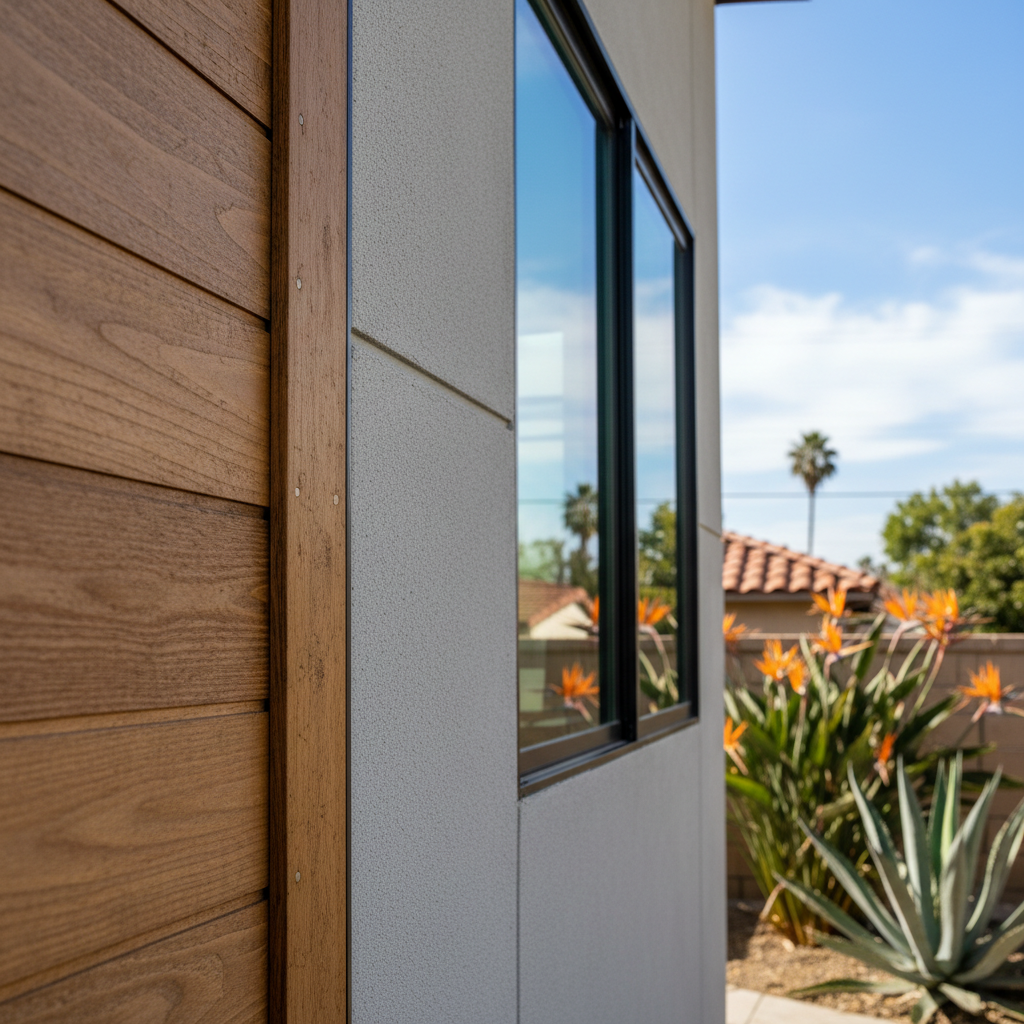
So, you're thinking about putting a detached ADU in your backyard? Smart move. Lots of folks here in Los Angeles are really seeing the upside of these things — maybe it's extra cash, a spot for family to stay, or even a quiet home office away from the main house. But let's be clear: this isn't just about throwing up a shed and calling it a guest house. There's a real process involved, and understanding what you're getting into from the start can save you a ton of headaches, not to mention money.
Before You Even Think About Digging
First things first, you've got to get a handle on the rules. LA's ADU ordinances have changed quite a bit over the years, mostly making them easier to build, but there are still specific details you can't ignore. You'll need to nail down your zoning, lot size, and setbacks. For most homeowners, this isn't really a do-it-yourself kind of thing. Sure, you can poke around on the LA Department of Building and Safety (LADBS) website, but honestly, it's a bit of a maze. What I always tell people is this: get a good ADU designer or architect involved early on. They'll know the current codes inside and out, including stuff like the maximum square footage allowed for your specific lot and exactly how close you can build to your property line. Believe me, they're worth every penny here.
Another big item to sort out beforehand is your budget. A detached ADU isn't cheap, plain and simple. We're talking tens of thousands of dollars, often well over $100,000, depending on its size and the finishes you pick. Don't just guess at the cost. Get some preliminary quotes, chat with a lender about financing options, and make sure you're truly comfortable with the numbers. It's easy to get swept up in the excitement of the idea, but the financial reality can hit hard if you're not prepared.
During the Build: What You Can Tackle (and What You Can't)
Once your plans are approved and you've got those permits in hand, the real work kicks off. This is where a lot of homeowners ask what they can do themselves to cut costs. And honestly, it really just depends on your skill level and how much free time you actually have.
- Demolition and Site Prep: Building on an empty patch of grass? Fantastic. But if you've got an old shed or a concrete slab needing removal, you might be able to handle some of that demo yourself. Feel ambitious? Rent a jackhammer or a mini excavator. Just be careful, though, and always make sure you know where any underground utilities are hiding before you start digging.
- Landscaping: This is a huge area for DIY savings. After the main structure is up, you can absolutely do your own planting, lay down sod, or build pathways. It's tough work, no doubt, but it doesn't require any specialized licenses.
- Painting: Both interior and exterior painting can be a homeowner's job. It takes time, yes, but it's pretty straightforward. Just remember to prep your surfaces properly for a good, lasting finish.
- Finish Work (sometimes): Things like installing baseboards, putting up shelves, or even some flooring (like laminate or click-lock vinyl) can be done by a handy homeowner. But for anything involving plumbing, electrical, or structural components, you need licensed pros. No exceptions.
Look, I've seen homeowners try to frame a wall or run electrical themselves to save a few bucks, and it almost always ends up costing more to fix their mistakes than it would have to hire a pro in the first place. You're building a place for people to live, not a treehouse. Especially here in a spot like the San Fernando Valley, where the soil can be tricky with expansive clays, getting that foundation right is absolutely critical. You need experienced eyes on that part.
This is exactly where a good general contractor, like us at Los Angeles ADU Solutions Inc., truly earns their keep. We coordinate all the different trades — the plumbers, electricians, framers, roofers. We make sure everyone stays on schedule and that the work meets code. It's a full-time job, and unless you're a retired contractor yourself, it's probably not yours.
After the Dust Settles: Your New ADU
Congratulations, you've got yourself a detached ADU! Now what? If you're planning to rent it out, you'll need to understand tenant laws here in LA. They're complex, and you definitely don't want to get caught off guard. Get a solid lease agreement drawn up by a lawyer, and make sure you're familiar with your responsibilities as a landlord.
Even if it's just for family or personal use, there's still ongoing maintenance. Just like your main house, it'll need regular checks on the roof, plumbing, electrical, and HVAC. Keep an eye on things, address small issues before they blow up into big ones, and your detached ADU will serve you well for years to come.
Building a detached ADU is a big project, no doubt, but it's incredibly rewarding. Do your homework, know your limits, and don't be afraid to bring in the experts when you need them. It'll make the whole process smoother and ensure you end up with a quality addition to your property.