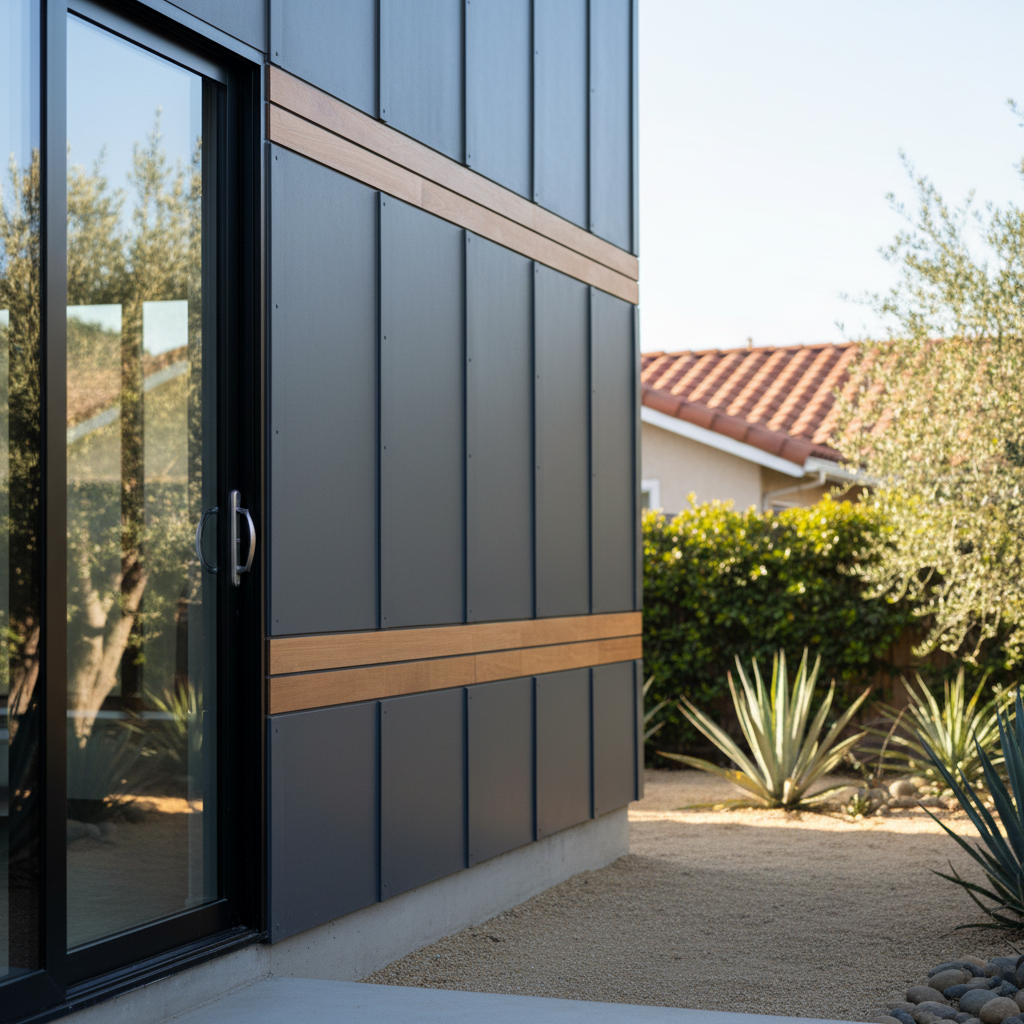
What's the difference between good ADU design and bad ADU design?
Honestly, it usually comes down to common sense and thinking ahead. Good ADU design means the space feels bigger than it actually is, it's super functional, and it looks like it belongs on your property — not like some afterthought. It considers natural light, smart storage, and how people will actually live in it, you know? Bad design? That's when you end up with a dark, cramped box, weird layouts, or a unit that clashes completely with your main house. I've seen some where the bathroom door opens right into the kitchen. Not ideal, right? It's all about livability and integration, not just ticking boxes on a permit application.
How do I make a small ADU feel bigger?
This is a big one, especially with lot size constraints in places like Santa Monica or West Hollywood. You've really got to be clever with every square foot. Here's what I always recommend:
- Lots of natural light: Big windows, glass doors, maybe even a skylight. Light opens up a space like nothing else can.
- Open concept layouts: Combine the kitchen, living, and dining areas. Walls eat up space and make things feel chopped up, which nobody wants.
- Built-in storage: Think vertical. Custom shelves, wall beds, benches with storage underneath. Every little bit helps, truly.
- Light colors: White or light-colored walls, floors, and cabinets reflect light and make rooms feel airy.
- Smaller scale furniture: Don't try to cram a huge sectional into a tiny living room. Pick pieces that actually fit the scale of the space.
- Outdoor connection: A sliding glass door to a small patio or deck extends the living area visually and functionally.
Should my ADU match my main house's style?
Generally, yes, it's a good idea. You want your property to look cohesive, like it was all planned together, even if the ADU came much later. Matching the main house's style doesn't mean it has to be an exact clone, but it should definitely complement it. Think about:
- Roofline and pitch: Try to echo the main house's roof.
- Exterior materials: Use similar siding, stucco, or stone.
- Window styles: Are they single-hung, casement, black frames, white frames? Keep it consistent.
- Color palette: Stick to a similar color scheme.
Now, if your main house is a 1920s Spanish Revival and you're building a super modern ADU, we can still make it work. The key is thoughtful transitions and using some shared elements to tie them together. It's a balancing act, but a good designer can definitely pull it off.
What's the deal with indoor/outdoor living for ADUs in LA?
Listen, we live in Los Angeles. We've got incredible weather most of the year. Not taking advantage of that for an ADU is a huge missed opportunity. Indoor/outdoor living is massive for making these smaller spaces feel expansive. Think about:
- Large sliding glass doors: Bi-fold or multi-slide doors that completely open up one wall to a patio or yard.
- Covered patios or decks: These act as an extension of the living space, perfect for dining or lounging.
- Outdoor kitchens or BBQ areas: Even a small one can add a lot of value and functionality.
- Landscaping: Integrate the outdoor space with thoughtful planting and pathways.
It effectively doubles your usable living area for a good chunk of the year. For tenants, it's a massive selling point, and for family, it just makes the space that much more enjoyable.
How important is kitchen and bathroom design in an ADU?
Extremely important. These are the two most expensive rooms in any build, and they're crucial for livability and resale value. For an ADU, you're usually working with less space, so efficiency is key. For kitchens, think about:
- Compact appliances: Smaller fridges, 24-inch ranges, microwave drawers.
- Smart storage: Pantry pull-outs, corner cabinets, open shelving.
- Durable, easy-to-clean surfaces: Quartz countertops, tile backsplashes.
For bathrooms:
- Walk-in showers: They save space compared to tubs and feel more luxurious.
- Wall-mounted vanities: They free up floor space and make the room feel bigger.
- Good ventilation: Essential for preventing moisture issues in a small space.
These aren't areas to cut corners. A well-designed kitchen and bathroom can truly make or break an ADU.
What are some common design mistakes I should avoid?
I've seen a few over the years that just make you scratch your head. Here are some to watch out for:
- Ignoring natural light and ventilation: You don't want a dark, stuffy box. Plan for windows and cross-ventilation from the start.
- Poor flow: Make sure the layout makes sense. You shouldn't have to walk through a bedroom to get to the bathroom, for example.
- Lack of storage: People have stuff. Always build in as much storage as you can, even if it's clever, hidden solutions.
- Not considering privacy: Both for the ADU occupants and for your main house. Think about window placement and outdoor spaces.
- Trying to do too much in a small space: Sometimes less is more. Don't try to cram in a full dining room if it means sacrificing a comfortable living area.
- Forgetting about soundproofing: Especially if it's attached or very close to the main house. Good insulation in shared walls can save a lot of headaches.
At Los Angeles ADU Solutions Inc., we spend a lot of time in the design phase specifically to avoid these kinds of issues. It saves you money and frustration down the line, believe me.
Do I need an architect or can I just use a pre-designed plan?
This really depends on your goals and your property. If you've got a straightforward, flat lot and you're looking for something basic, a pre-designed plan (often called a 'stock plan' or 'pre-approved plan' in some jurisdictions) can save you some money and time on the design side. However, they're not always a perfect fit for every situation.
An architect or a good ADU design-build firm will:
- Optimize for your specific lot: Considering sun exposure, views, privacy, existing trees, and even the tricky soil conditions we sometimes deal with in the Hollywood Hills.
- Tailor to your needs: Whether it's for an aging parent, a rental, or a home office, they'll design it to fit your exact requirements.
- Handle complex situations: Sloped lots, tight setbacks, or specific aesthetic desires.
- Maximize value: A custom design can often unlock more potential for the space and increase your property's overall value more effectively.
For most homeowners, especially in a city with diverse properties like LA, a custom design process with an experienced professional is usually the better route for a truly functional and beautiful ADU.